Allowing the public (and search engines) to browse your server's directory structure introduces several severe security risks: 1. Information Disclosure

autoindex off;

Accessing these interfaces without permission may be a violation of privacy laws or computer misuse acts. To secure your own camera:

Never leave your security camera on its factory settings. Change the default admin username and password immediately upon installation. Restrict Network Access

Disable Apache directory listing in a site conf:

A view.shtml file might act as a script that displays images, documents, or data files in a directory.

Many users are unaware that their "private" security system is publicly reachable. Google Dorking: This is a technique where specific search operators (like intitle:"index of" "view.shtml"

It could be part of a templating system where view.shtml acts as the layout file. How to Fix "Index of /" View

Open the IIS Manager, navigate to the Directory Browsing feature, and click Disable in the Actions pane. 2. Use Blank Index Files

These commands instruct the search engine to look only for pages containing those precise terms in the title or URL. The results often provide direct links to live webcams in homes, businesses, parking lots, and industrial facilities. Why Are These Devices Exposed?

: Common paths associated with this dork include: /view/index.shtml /view/view.shtml /view/indexFrame.shtml Use as a "Google Dork"

Unsecured IoT devices are prime targets for botnets like Mirai. Hackers use these open directories to identify vulnerable hardware and inject malware. How to Protect Your Devices

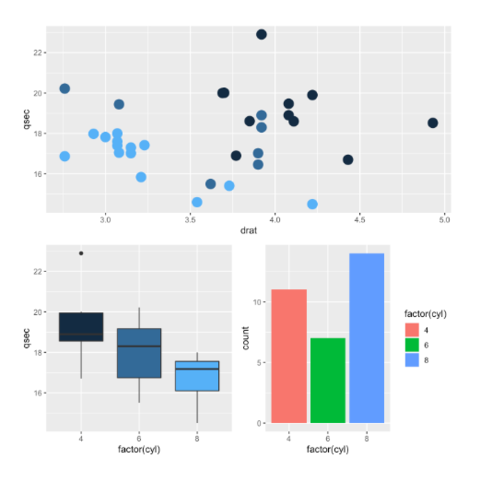
A world of geom

ggplot2 builds charts through layers using geom_ functions. Here is a list of the different available geoms. Click one to see an example using it.

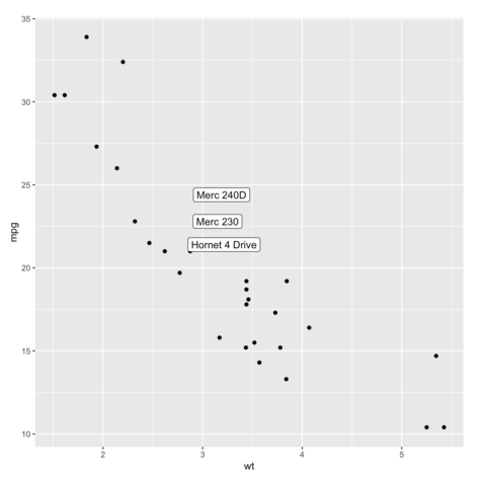
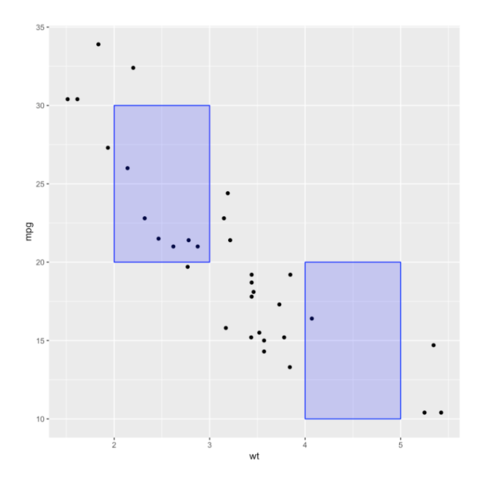
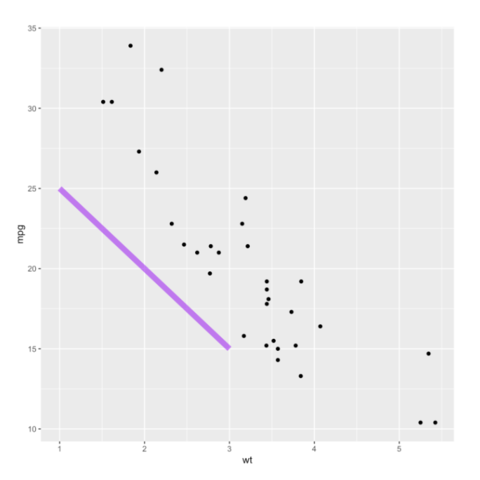
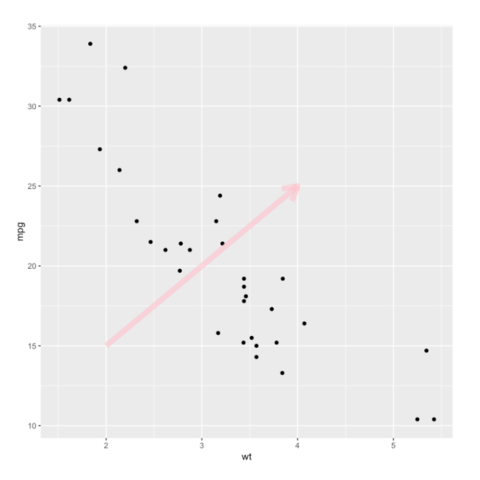
geom_bar geom_bin geom_boxplot geom_density geom_error geom_hex geom_hist geom_hline geom_jitter geom_label geom_line geom_point geom_polygon geom_rect geom_ribbon geom_rug geom_segment geom_smooth geom_text geom_tile geom_violin geom_vline
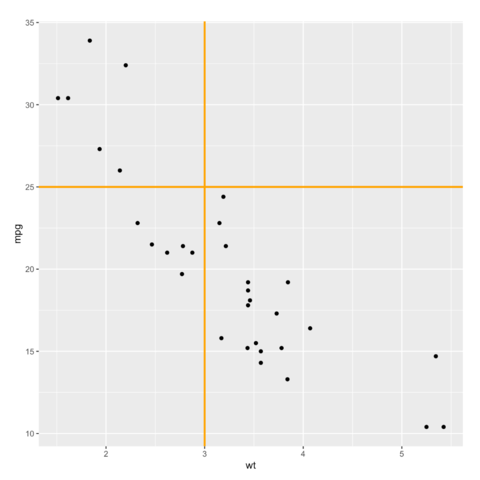
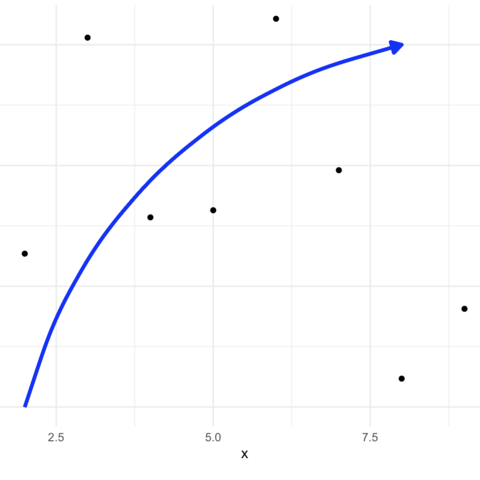
Annotation with ggplot2

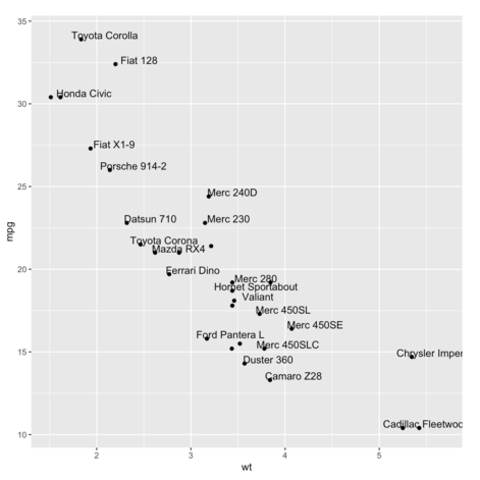
Annotation is a key step in data visualization. It allows to highlight the main message of the chart, turning a messy figure in an insightful medium. ggplot2 offers many function for this purpose, allowing to add all sorts of text and shapes.


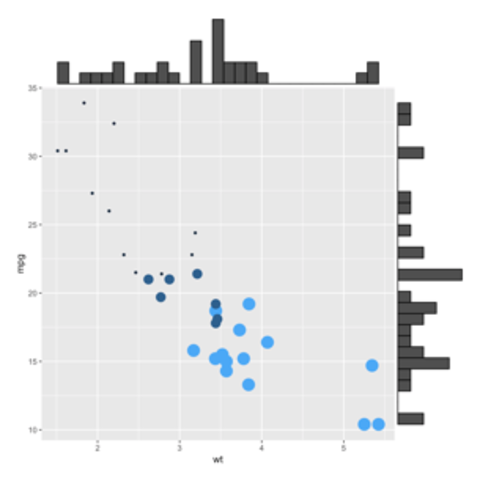
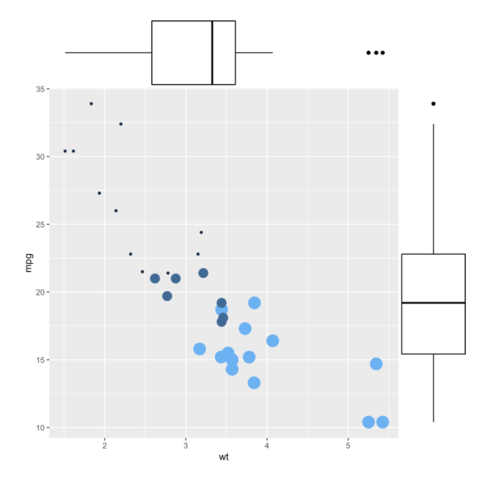
Marginal plot

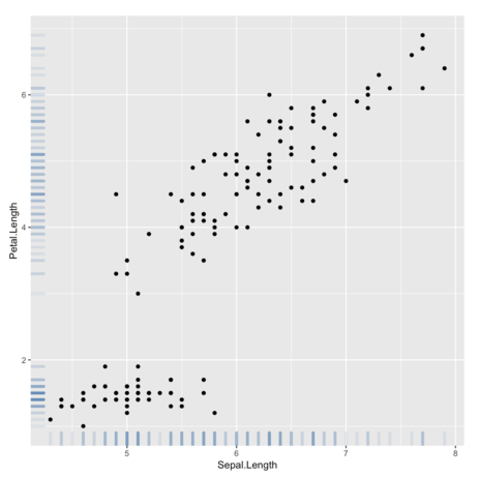
Marginal plots are not natively supported by ggplot2, but their realisation is straightforward thanks to the ggExtra library as illustrated in graph #277.


ggplot2 chart appearance

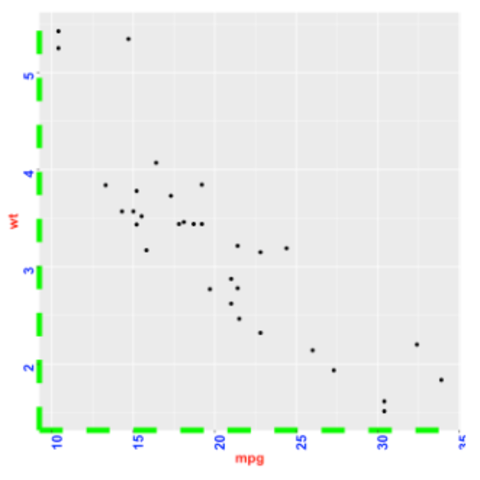
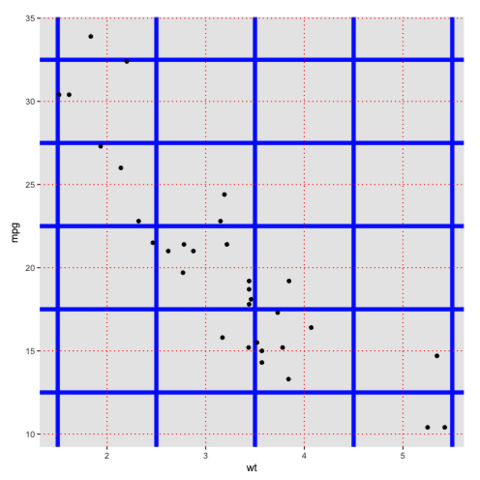
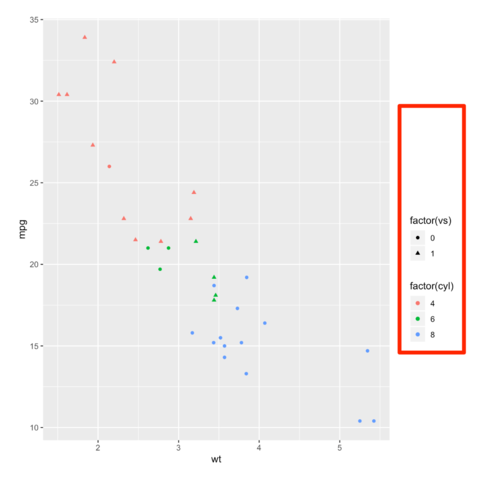
The theme() function of ggplot2 allows to customize the chart appearance. It controls 3 main types of components:

Re-ordering with ggplot2


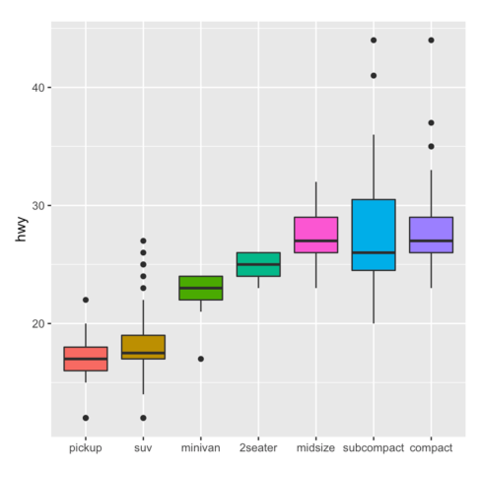
When working with categorical variables (= factors), a common struggle is to manage the order of entities on the plot.

Post #267 is dedicated to reordering. It describes 3 different way to arrange groups in a ggplot2 chart:


Read post
Tidyverse

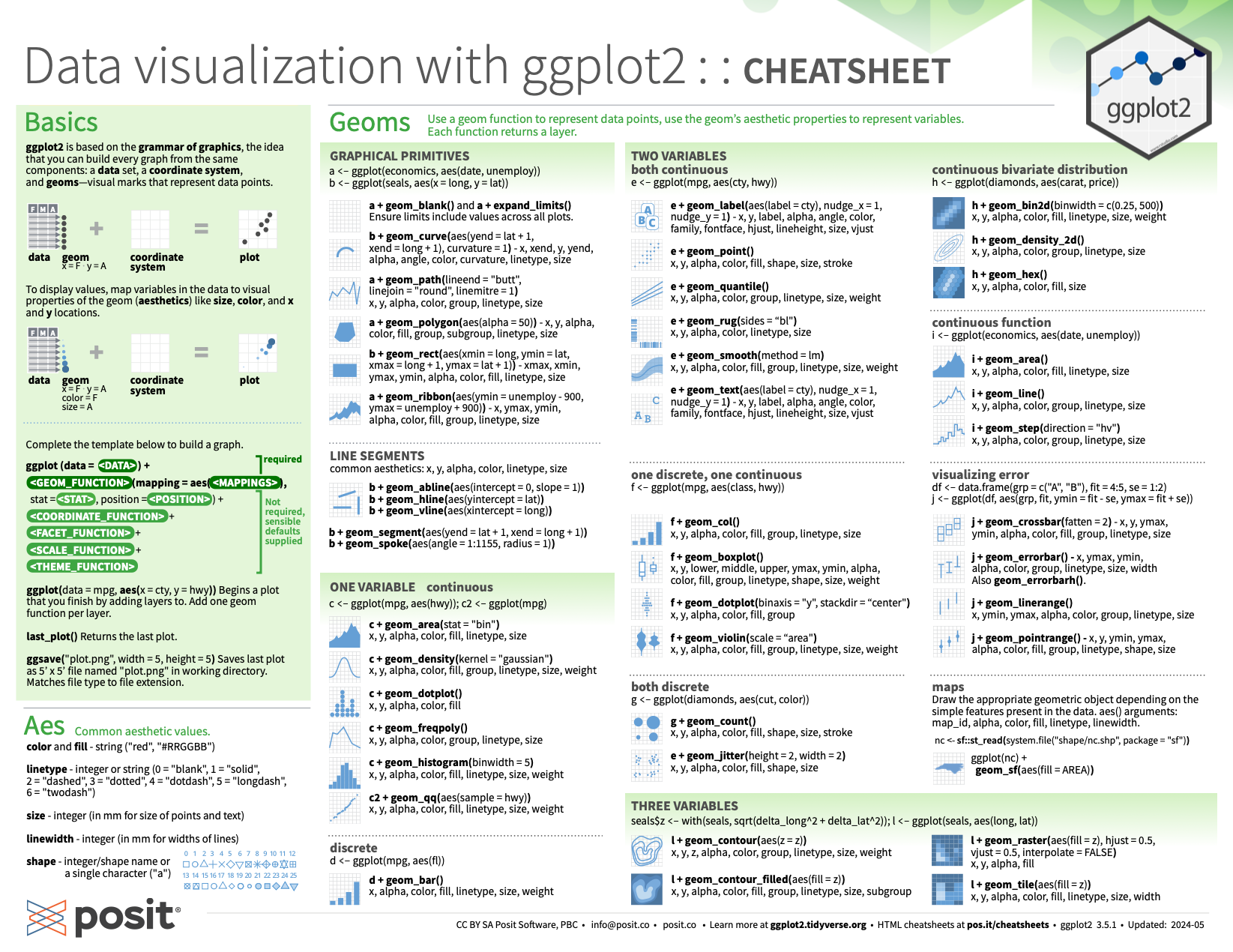
Here’s the official ggplot2 cheatsheet created by Posit. It covers all the key concepts of the library.

I've also compiled it with the most useful R and data visualization cheatsheets into a single PDF you can download:

ggplot2 title

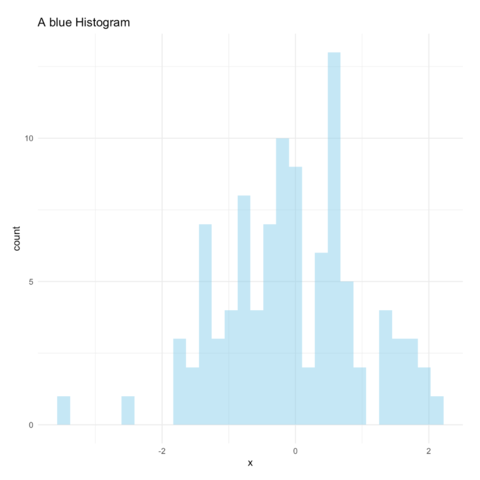
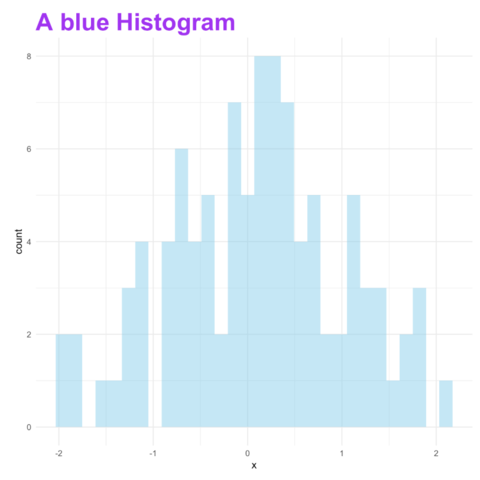
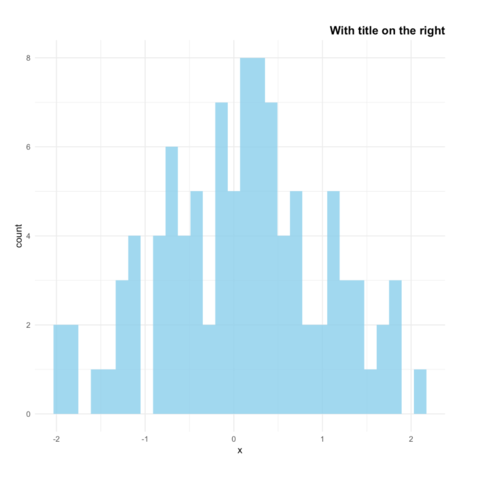
The ggtitle() function allows to add a title to the chart. The following post will guide you through its usage, showing how to control title main features: position, font, color, text and more.


Use custom fonts with ggplot2

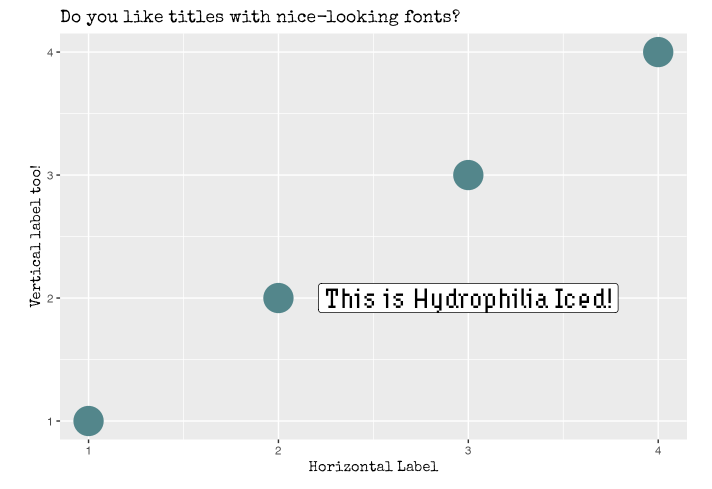
If you don't want your plot to look like any others, you'll definitely be interested in using custom fonts for your title and labels! This is totally possible thanks to 2 main packages: ragg and showtext. The blog-post below should help you using any font in minutes.


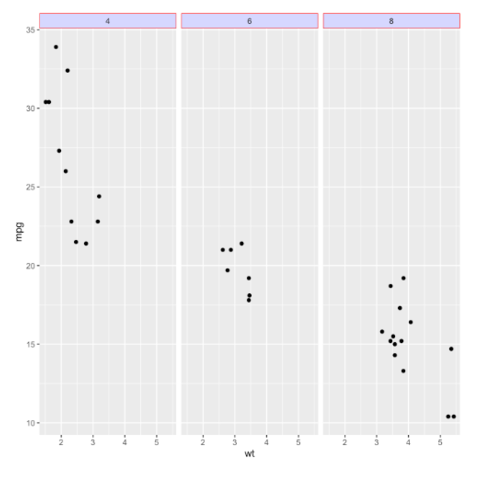
Small multiples: facet_wrap() and facet_grid()

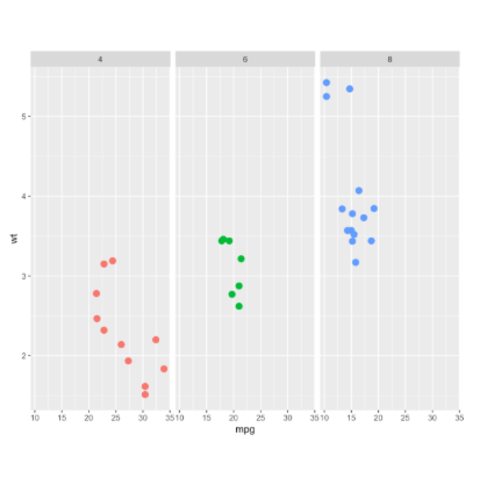
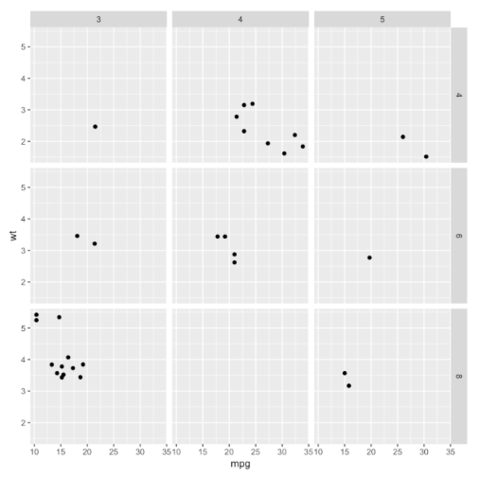
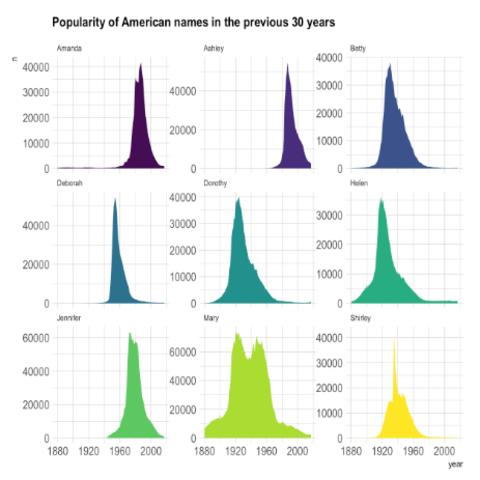
Small multiples is a very powerful dataviz technique. It split the chart window in many small similar charts: each represents a specific group of a categorical variable. The following post describes the main use cases using facet_wrap() and facet_grid() and should get you started quickly.

A set of pre-built themes

It is possible to customize any part of a ggplot2 chart thanks to the theme() function. Fortunately, heaps of pre-built themes are available, allowing to get a good style with one more line of code only. Here is a glimpse of the available themes. See code

Index Of View.shtml

Allowing the public (and search engines) to browse your server's directory structure introduces several severe security risks: 1. Information Disclosure

autoindex off;

Accessing these interfaces without permission may be a violation of privacy laws or computer misuse acts. To secure your own camera:

Never leave your security camera on its factory settings. Change the default admin username and password immediately upon installation. Restrict Network Access

Disable Apache directory listing in a site conf:

A view.shtml file might act as a script that displays images, documents, or data files in a directory.

Many users are unaware that their "private" security system is publicly reachable. Google Dorking: This is a technique where specific search operators (like intitle:"index of" "view.shtml"

It could be part of a templating system where view.shtml acts as the layout file. How to Fix "Index of /" View

Open the IIS Manager, navigate to the Directory Browsing feature, and click Disable in the Actions pane. 2. Use Blank Index Files

These commands instruct the search engine to look only for pages containing those precise terms in the title or URL. The results often provide direct links to live webcams in homes, businesses, parking lots, and industrial facilities. Why Are These Devices Exposed?

: Common paths associated with this dork include: /view/index.shtml /view/view.shtml /view/indexFrame.shtml Use as a "Google Dork"

Unsecured IoT devices are prime targets for botnets like Mirai. Hackers use these open directories to identify vulnerable hardware and inject malware. How to Protect Your Devices

Related chart types


index of view.shtml
Ggplot2
index of view.shtml
Animation
index of view.shtml
Interactivity
index of view.shtml
3D
index of view.shtml
Caveats
index of view.shtml
Data art